
Embark on a journey of discovery as we delve into the world of travel insurance international. This introduction sets the stage for a comprehensive exploration that promises to enlighten and inform readers about the importance of securing the right coverage for their international adventures.
Exploring the various types of coverage, essential factors to consider, and valuable tips for making claims, this guide is your ultimate companion in navigating the intricacies of travel insurance on a global scale.
Importance of Travel Insurance for International Trips
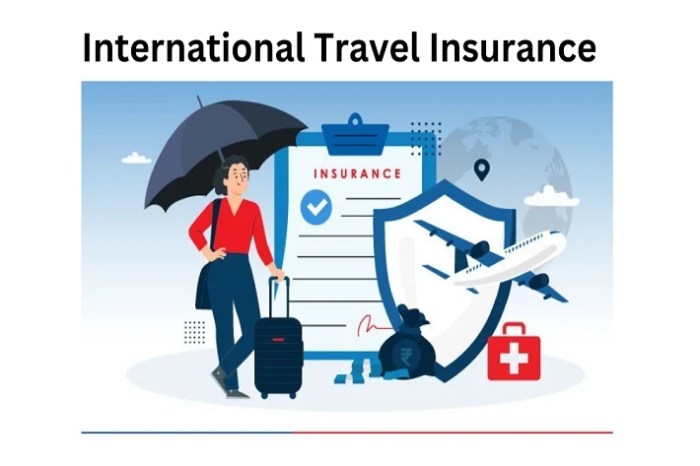
Travel insurance for international trips is not just an option; it is a necessity. When traveling abroad, you are exposed to a wide range of risks that can potentially disrupt or ruin your trip. Having travel insurance provides you with a safety net and peace of mind knowing that you are protected in case of unforeseen circumstances.
Risks of Traveling Internationally Without Insurance
Traveling internationally without insurance leaves you vulnerable to a variety of risks. These include medical emergencies, trip cancellations, lost baggage, flight delays, and even natural disasters. Without insurance, you may end up facing significant financial losses or challenges in dealing with emergencies in a foreign country.
- Medical Emergencies: Imagine falling ill or getting injured during your trip and having to pay for expensive medical treatment out of pocket. Travel insurance can cover these costs and ensure you receive the necessary care without breaking the bank.
- Trip Cancellations: If your trip gets canceled due to unforeseen circumstances like illness or natural disasters, travel insurance can help you recoup your non-refundable expenses such as flights and accommodations.
- Lost Baggage: Baggage getting lost or delayed is a common occurrence during international travel. Travel insurance can provide compensation for your lost belongings, helping you replace essential items without additional financial burden.
Situations Where Travel Insurance Can Be a Lifesaver
Imagine being stranded in a foreign country due to a natural disaster and having your travel insurance cover the costs of emergency evacuation and alternative accommodations.
- Flight Delays: Travel insurance can provide coverage for additional expenses incurred due to flight delays, such as accommodation and meals, ensuring you are not left stranded at the airport.
- Emergency Assistance: In case of emergencies like passport theft or legal troubles, travel insurance often includes 24/7 assistance services to help you navigate unfamiliar situations and obtain necessary support.
Types of Coverage Offered by International Travel Insurance
When it comes to international travel insurance, there are several types of coverage that are typically included in most plans. These coverages are designed to protect travelers from unforeseen circumstances that may occur during their trip.
Medical Coverage
International travel insurance often includes medical coverage, which can help cover the costs of medical treatment and emergencies while abroad. This can include doctor visits, hospital stays, prescription medications, and emergency medical evacuation. For example, if you fall ill or get injured during your trip and require medical attention, having medical coverage can help alleviate the financial burden.
Trip Cancellation Coverage
Trip cancellation coverage is another common type of coverage offered by international travel insurance. This coverage can reimburse you for non-refundable trip expenses if you need to cancel your trip for a covered reason, such as illness, natural disasters, or airline strikes.
For instance, if you have to cancel your trip last minute due to a family emergency, trip cancellation coverage can help you recoup some of the costs.
Baggage Loss Coverage
Baggage loss coverage is included in many international travel insurance plans to protect travelers in case their luggage is lost, stolen, or damaged during their trip. This coverage can help reimburse you for the value of your belongings, allowing you to replace essential items.
For example, if your luggage goes missing during a layover and your belongings are lost, baggage loss coverage can help cover the cost of replacing your items.
Emergency Evacuation Coverage
Emergency evacuation coverage is essential for international travelers, as it can cover the cost of emergency medical transportation to the nearest adequate medical facility if you become seriously ill or injured during your trip. This coverage can also include repatriation services to transport you back home if necessary.
In scenarios like getting injured while hiking in a remote area with limited medical facilities, emergency evacuation coverage can be a lifesaver.
Factors to Consider When Choosing International Travel Insurance
When selecting an international travel insurance plan, it is crucial to consider various factors that can impact the coverage and benefits you receive. Factors such as your destination, trip duration, planned activities, and your current health status can all influence the type of insurance that would best suit your needs.
Destination
When choosing international travel insurance, consider the destination you will be traveling to. Some countries may have higher healthcare costs or greater risks of certain illnesses or accidents. Make sure your insurance plan provides coverage that is adequate for the specific risks associated with your destination.
Trip Duration
The duration of your trip also plays a significant role in selecting the right insurance plan. Longer trips may require extended coverage for medical emergencies or trip cancellations. Ensure that the policy you choose aligns with the length of your travel to avoid any gaps in coverage.
Activities Planned
If you plan to engage in adventurous activities such as skiing, scuba diving, or hiking, make sure your insurance plan covers these activities. Some policies may have exclusions for high-risk activities, so it’s essential to review the coverage details to avoid any surprises in case of emergencies.
Traveler’s Health
Your current health status and any pre-existing conditions should also be taken into account when selecting international travel insurance. Ensure that the policy covers any existing medical conditions and provides adequate coverage for unexpected medical emergencies abroad.
Checklist for Considerations
- Research and compare different insurance plans to find the one that best fits your needs.
- Check the coverage limits for medical expenses, emergency evacuation, trip cancellations, and baggage loss.
- Review the policy exclusions and limitations to understand what is not covered by the insurance.
- Consider purchasing additional coverage for high-risk activities or valuable belongings.
- Ensure the insurance provider offers 24/7 emergency assistance for any travel-related emergencies.
Tips for Making a Claim with International Travel Insurance
When it comes to making a claim with international travel insurance, it’s important to understand the steps involved and how to navigate the process smoothly. Here are some tips to help you document incidents, contact your insurance provider, and follow the claims process effectively.
Documenting Incidents
- As soon as an incident occurs, make sure to document all relevant details such as date, time, location, and any witnesses present.
- Take photos or videos of the scene if possible to provide visual evidence for your claim.
- Keep all receipts and paperwork related to the incident, including medical reports, police reports, and any other relevant documents.
Contacting the Insurance Provider
- Notify your insurance provider as soon as possible after the incident to initiate the claims process.
- Provide all necessary information and documentation requested by the insurance company to support your claim.
- Keep a record of all communications with the insurance provider, including dates, times, and the names of representatives you speak with.
Following the Claims Process
- Follow the instructions provided by your insurance provider to submit your claim, including filling out any required forms accurately and completely.
- Be prepared to answer any additional questions or provide further documentation as requested by the insurance company.
- Stay informed about the status of your claim and follow up with the insurance provider if you have not received a response within a reasonable timeframe.
Common Pitfalls to Avoid
- Avoid delaying the claims process by not reporting incidents promptly or providing incomplete information.
- Avoid making false or exaggerated claims, as this can lead to your claim being denied or your policy being canceled.
- Be aware of any exclusions or limitations in your policy that may affect your claim eligibility.
Ending Remarks
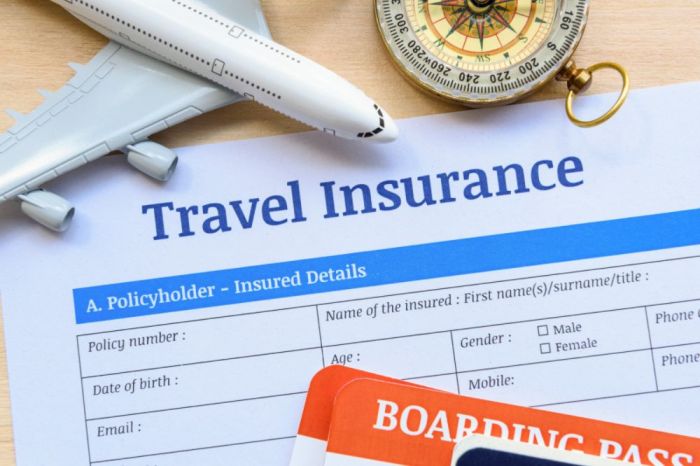
As we conclude our discussion on travel insurance international, remember that preparation is key to a worry-free journey. By understanding the nuances of coverage options and knowing how to make claims effectively, travelers can embark on their adventures with confidence and peace of mind.
User Queries
What are the risks of traveling internationally without insurance?
Traveling internationally without insurance can leave you vulnerable to high medical costs, trip cancellations, and unforeseen emergencies that could disrupt your travel plans.
How does the destination impact the choice of international travel insurance?
The destination can affect the cost and coverage of your insurance plan, especially in regions with higher medical costs or increased travel risks.
What should travelers document when making a claim with international travel insurance?
Travelers should document incidents with photos, keep all receipts, and maintain detailed records of any communication with the insurance provider to expedite the claims process.
Are there any common pitfalls to avoid when filing a claim with international travel insurance?
Avoid delays in reporting incidents, providing incomplete information, and missing claim deadlines to ensure a smooth and efficient claims experience.